Vacuum clamping
Hold workpieces during machining, routing, cutting or positioning.

Start with what the equipment must do, then define the working conditions.
Hold workpieces during machining, routing, cutting or positioning.
Grip, transfer and position components with vacuum handling systems.
Remove gas from a chamber, mould or vessel to reach the required process pressure.
Create local suction for an industrial process with suitable separation of contaminants.
Move material through a closed pipe system using vacuum or pressure.
Supply controlled air for sheet separation, drying, cooling or aeration.
Remove trapped gas from materials as part of a controlled vacuum process.
Circulate process gas within a defined industrial circuit.
Send the complete BECKER model and serial number, a readable nameplate photograph, the required quantity and the receiving country, city and postal code. For a new installation, add the process duty, required flow, working vacuum or pressure, operating hours and electrical supply.
We review the equipment or part identification before confirming availability, price, packing, transport and delivery terms. A quotation is specific to the configuration and destination; a catalogue reference is not a stock or delivery guarantee.
The same pump family can appear in very different processes, but the operating conditions change. Describe what vacuum or compressed air must do and gather application data before choosing equipment.
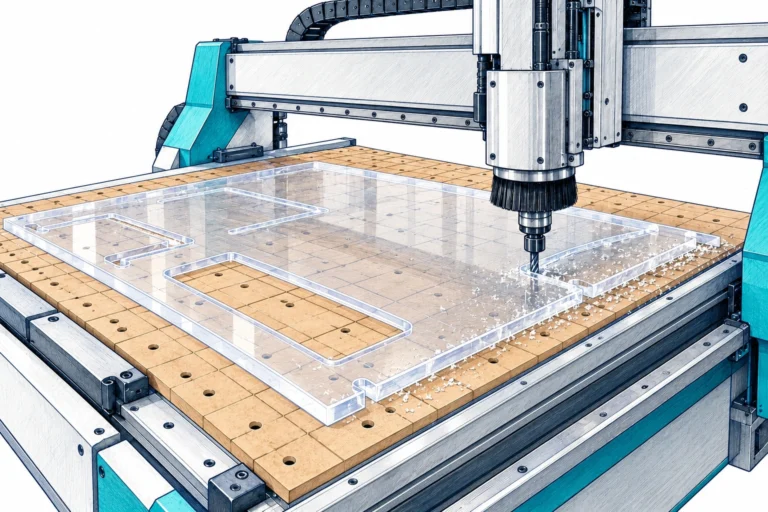
For CNC tables and holding fixtures, a review starts with effective contact area, material and leakage. A porous workpiece and a sealed surface do not create the same demand. Active zones and machining forces also matter. The vacuum source should be considered together with the fixture and how the part changes during cutting.
Describe the board, table dimensions, porosity and active zones. State whether the problem occurs early or late in the cutting cycle and where pressure is measured. Equipment selection must be reviewed alongside the workholding arrangement.
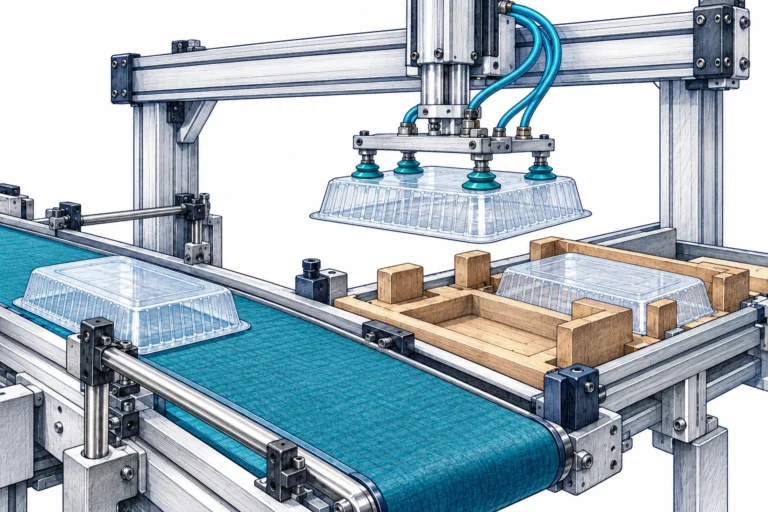
Pick-and-place systems lift and transfer parts using suction cups or other tooling. Weight is only one input: surface condition, acceleration, orientation and the time available to establish vacuum also matter. Air demand is affected by contact leakage and the number of active positions.
Provide part dimensions and material, cup quantity, cycles per minute and simultaneous consumers. Mention any rapid release by blowing. Grip evaluation and movement safety belong to the machine design and cannot be inferred from the pump model alone.
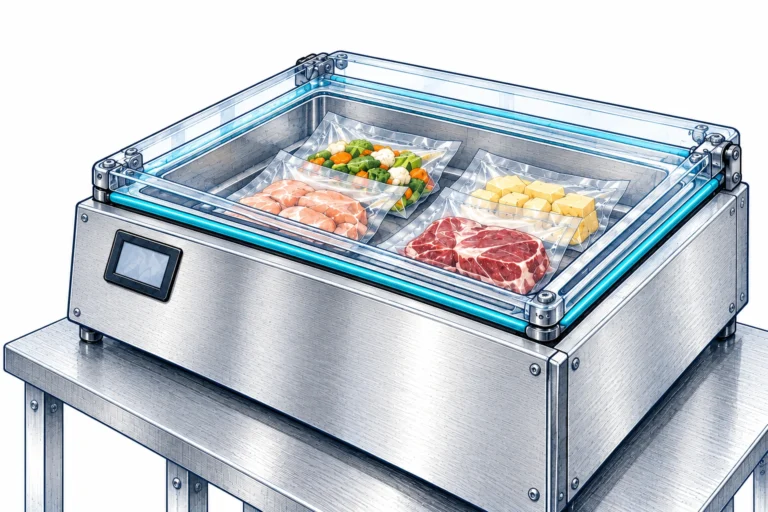
Evacuation reduces pressure in a chamber, mould or vessel. Selection needs volume, starting pressure, final pressure and target time. Product, moisture or released gases can change the behaviour compared with an empty chamber. The actual duty is therefore more informative than chamber size alone.
Explain what enters the chamber, cycle frequency and how the pump will connect. Identify valves, filters, separators and pipe length. A pump’s nominal ultimate pressure does not by itself describe the duration of a real production cycle.
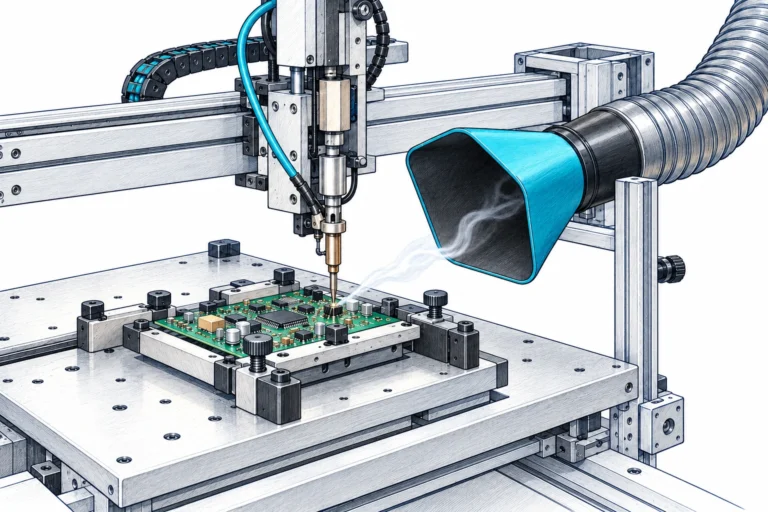
Extraction aims to capture a flow at a particular point in the process. Identify airflow, required suction and anything that can enter the circuit. Dust, liquids, vapours and particles call for a review of compatibility, separation and protective components before choosing equipment.
Describe the source, capture point, flow composition and simultaneous extraction points. A standard pump must not be assumed suitable for every substance. Share process requirements and available documentation before finalising the proposed configuration.
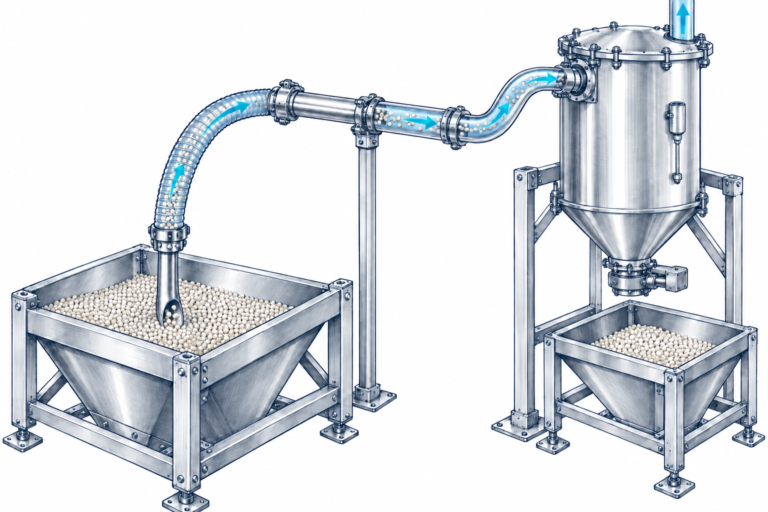
Vacuum or pressure conveying is reviewed as a complete circuit: feeding, pipework, direction changes, receiving and discharge. Material characteristics and throughput influence the arrangement. The air-moving equipment is only one element of that installation, so the scope should be clearly defined.
State the material, particle size and behaviour, distance, elevation and required throughput. Add the available layout and number of feed points. The quotation should clarify whether it covers equipment only or includes system accessories.
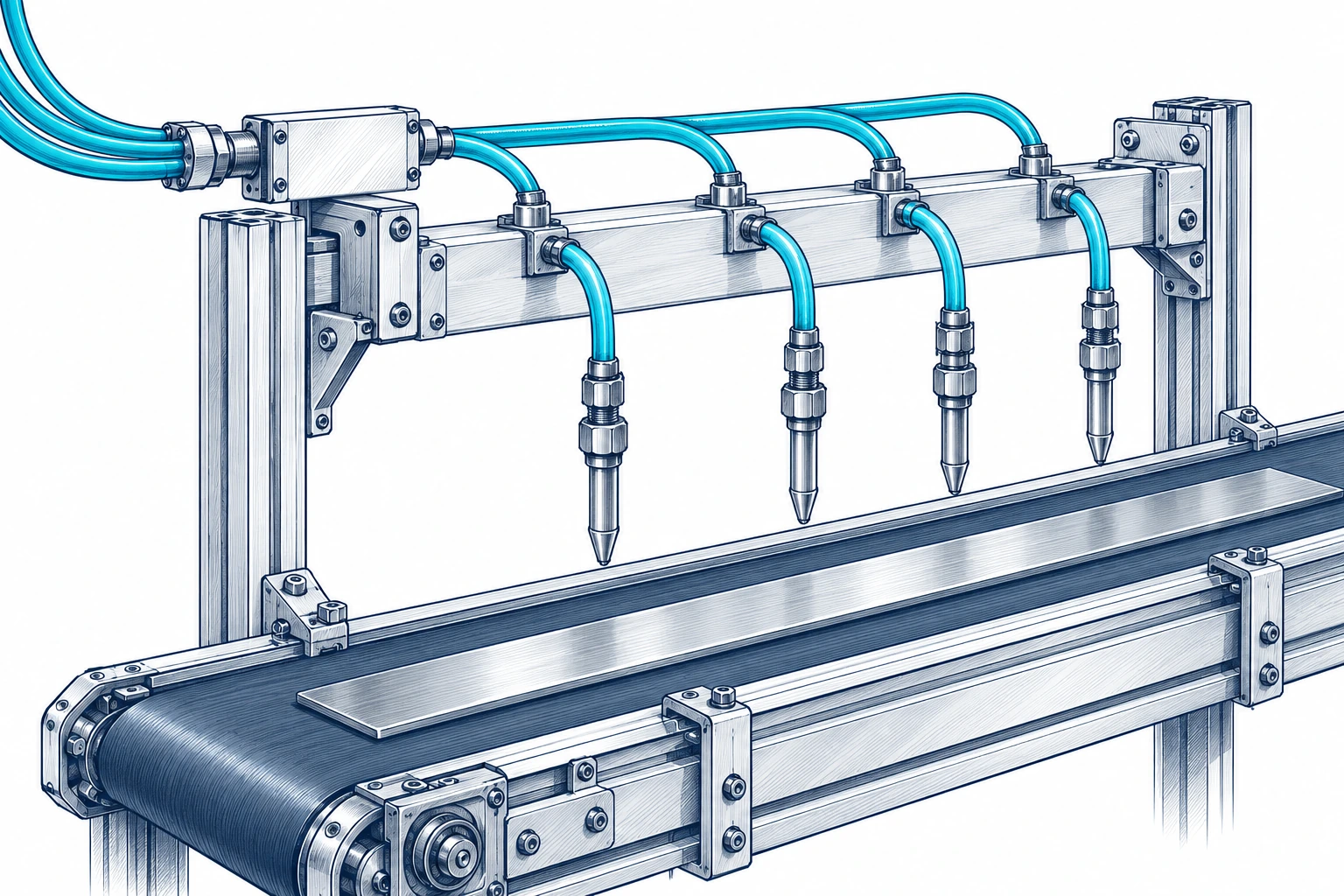
Sheet separation, surface drying and aeration are examples of pressure-air applications. Each requires a particular combination of airflow and pressure. Temperature, operating continuity and circuit losses also influence selection; the appearance or rated motor power of a compressor is not enough.
Describe nozzles, diffusers or consumption points and which operate together. State required air quality and existing regulation. When replacing a compressor, retain every detail from its nameplate and the machine documentation.
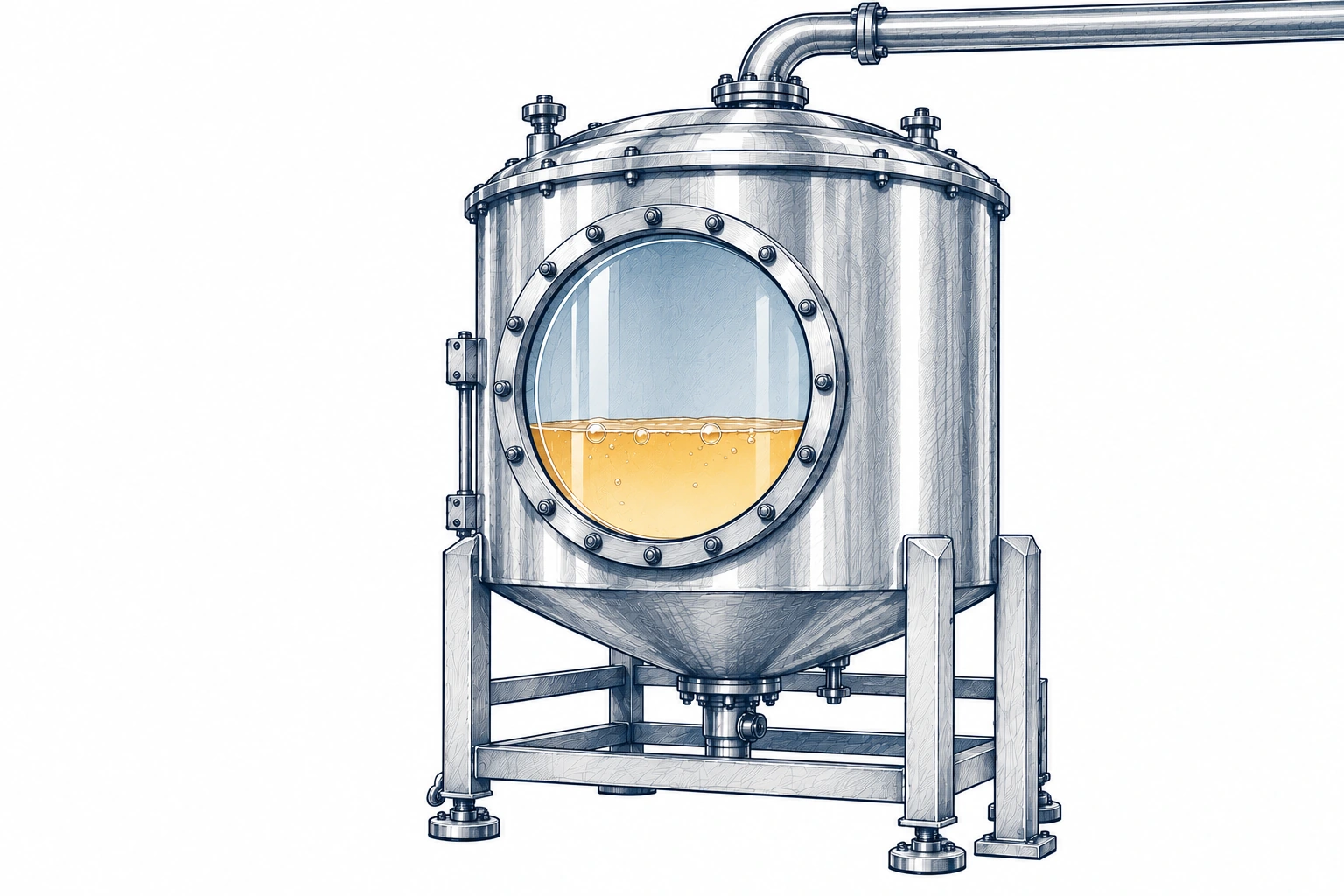
Gas removal from a material depends on composition, viscosity, temperature and the process objective. Asking for vacuum alone does not define the duty: the desired result and any generated vapour or carryover matter. The vessel and protection arrangements should be included in the technical review.
Provide vessel details, batch volume, operating sequence and target pressure when defined. Identify upstream separation and product conditions. The proposed technology must be checked against the process requirements and equipment documentation.
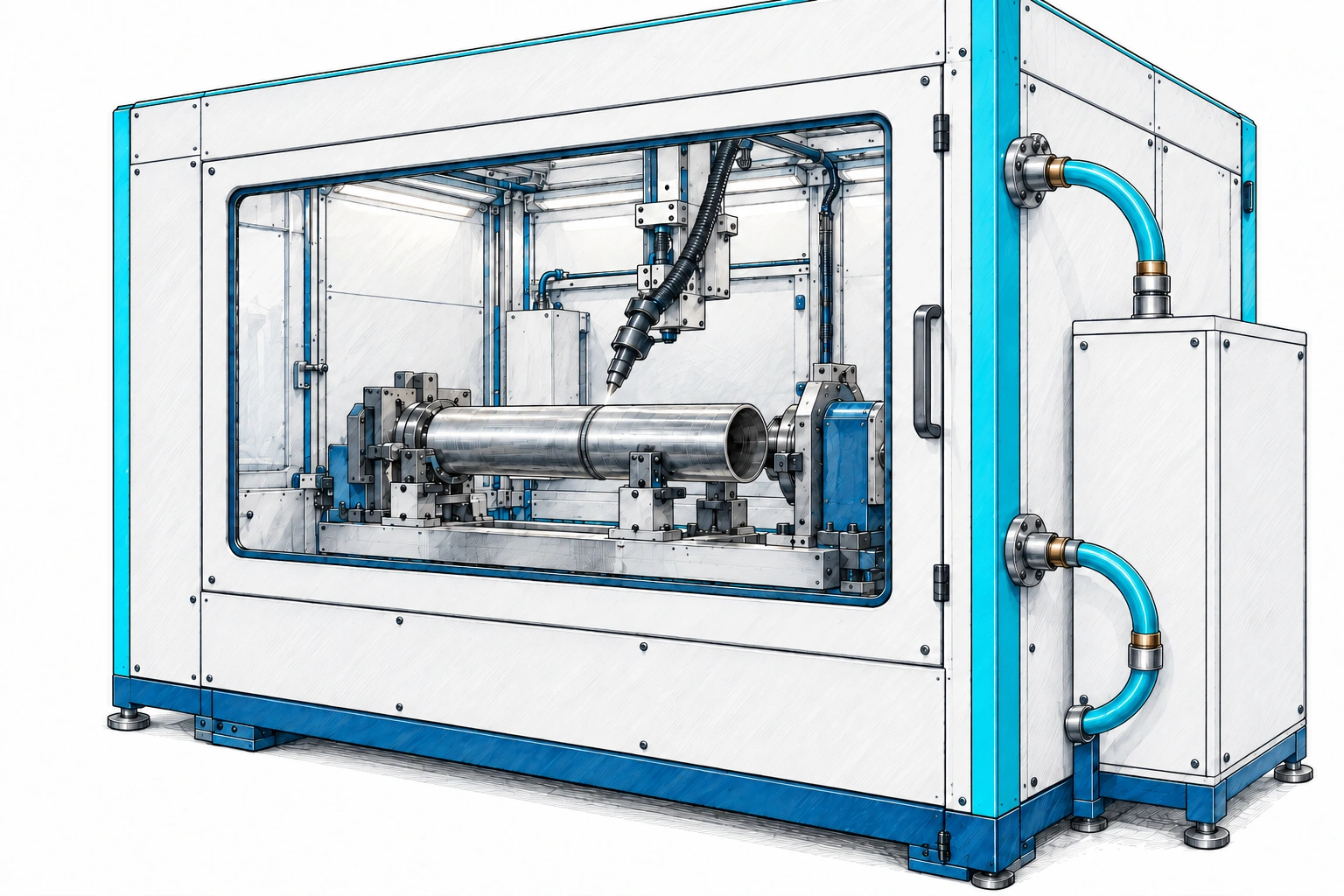
Recirculation requires the gas and its circuit to be identified. Leak-tightness, materials, losses and inlet/outlet conditions belong to the selection. An air configuration is not automatically suitable for another gas, even if a similar flow rate is required.
State gas composition, temperature, pressure and flow, together with the machine manufacturer’s requirements. Attach a circuit layout when available. Any special execution must be explicitly identified in the proposal before supply is confirmed.
| Review | Useful information | Necessary context |
|---|---|---|
| Measured pressure | Value, unit and exact measurement location | A reading at the pump can differ from pressure at the point of use |
| Simultaneous demand | Machines or consumption points operating together | Peak production conditions can differ from an individual machine test |
| Cycle | Working time, pauses and repetition | Describes how the machine actually uses vacuum or pressure |
| Circuit | Length, diameter, valves, filters and connections | Includes the air path in the technical review |
| Product conditions | Material, temperature, moisture and possible carryover | Identifies conditions to review before a technology is proposed |
Prepare a circuit sketch, identify the measurement point and record the conditions during operation.
| Document | Purpose | What to check |
|---|---|---|
| Technical data sheet | Compare the equipment with the process requirements. | Model, frequency, flow, pressure and reference conditions. |
| Installation drawing | Plan space, connections and service access. | Dimensions, connection points, orientation and manufacturer-specified clearances. |
| Operating manual | Consult installation, operation and maintenance instructions. | The edition and variant must match the equipment; a sales data sheet does not replace the manual. |
Document availability and language are confirmed for each model. If you already have a manual, send its cover or document code so we can review whether it matches your equipment.
No. The same application can have several solutions depending on its operating point, installation and product conditions. Use those details for the comparison.
The equipment nameplate, overall machine, connections and point of use. Add a simple air-path drawing and any available measurements.
Document pressure at the point of use, simultaneous demand and the condition of filters and pipework. A circuit problem is not necessarily solved by a larger pump.
Send the model, reference, quantity and destination. Configuration and supply scope are reviewed before the quotation is confirmed.
Also explore the Exportvacio catalogue and technical documentation